One of the most common things that happens after a tournament round is the little circles of conversation recapping what just went down in the last game. Statements like “My opponent drew everything”, “I bricked and couldn't do anything” and “X card is a lie” are some of the most common claims I hear in those moments, and they always leave me a bit uneasy about how much they actually reflect the game that just happened. These and many other phrases are used as a way to take the blame for the loss off the individual and pin it on bad luck, a clear attempt to dodge responsibility for the defeat and often even to belittle the opponent, stripping the merit from their win and casting oneself as the victim of an injustice. In this piece I'll try to show my view on why phrases like these almost never really mean anything, even when they're true, and what should be going through the mind of a player looking to improve when they run into situations like this.
The real brick
I'd like to start by saying that, indeed, there are situations where the player, no matter how good they are, can't do much about it. Unplayable hands are a reality in the Pokémon TCG, a game with no optional mulligan, and they will happen every now and then. Fortunately, we play in a best-of-3 format and that alone already drastically reduces how often a match is decided solely and exclusively by this. It's been 4 years since I started playing major tournaments and, since then, only once was I blessed with 2 bricks in a row in a Bo3, an occurrence that doesn't by itself prove how rare the event is but does help show that you rarely lose a Bo3 without even getting the chance to make a single decision.
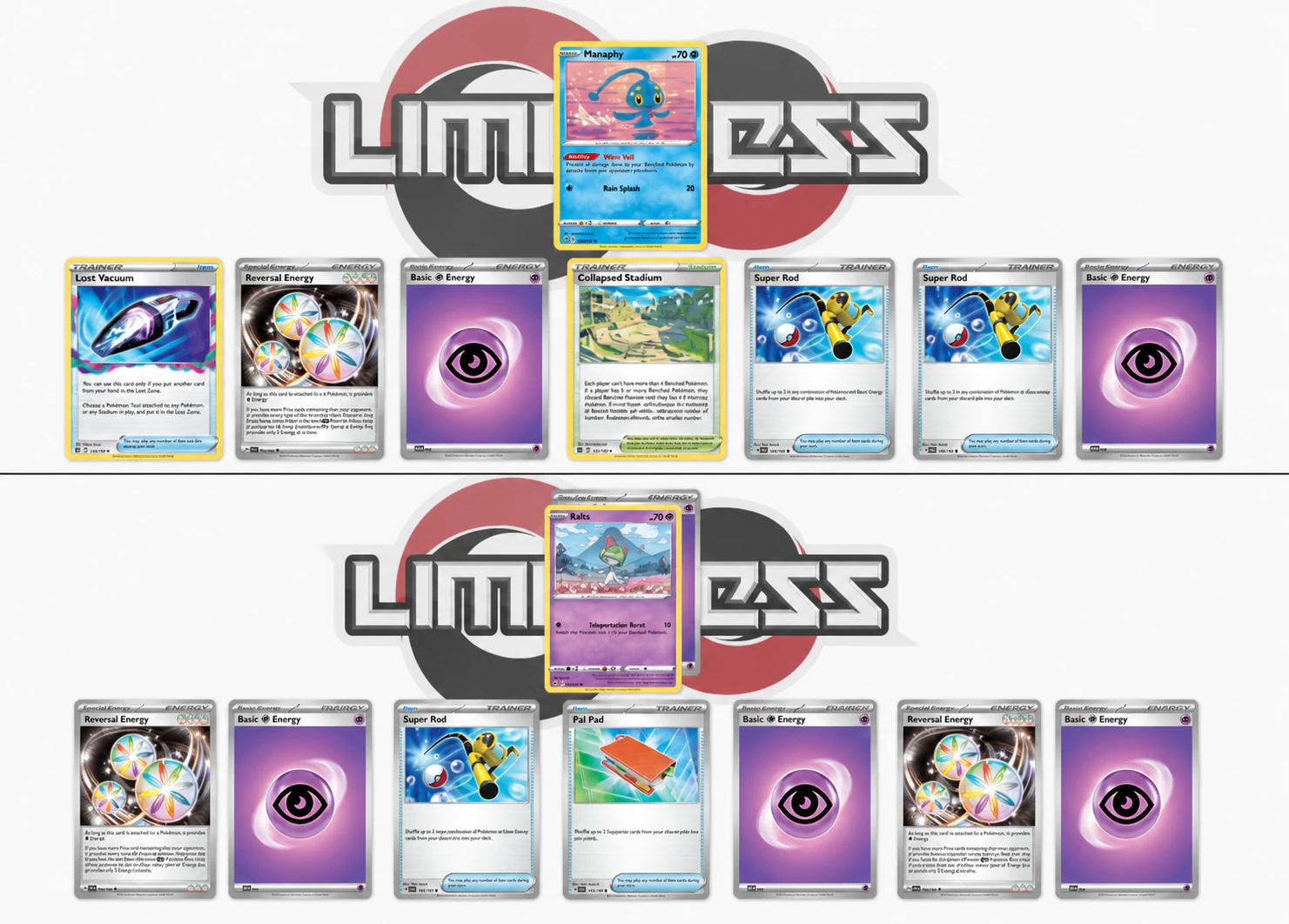
Having established that bricks exist and that, however rare, they can be the sole factor responsible for a player's loss in a Bo3, it's important to remember that the relevant tournaments, both at the local level (League Cups) and at majors, don't eliminate you for losing just once. If in one of your other losses/ties you lost under normal game conditions, it's far more important to try to identify the mistakes made there than to get frustrated or blame a poor performance in the games you didn't even get to play. The games that are within your reach are the ones that should be the focus of someone looking to improve, and if you lost one of those at a tournament, the responsibility for a below-expected performance is yours, not the game's random factor. There's always room to improve, and it's not unplayable hands that are stopping it.
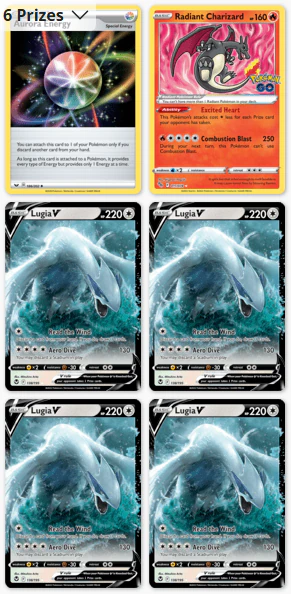
Beyond that, the only other scenario where I believe the player's responsibility should be entirely removed is when some statistical freak event happens in the prizes, something so impactful that it genuinely keeps you from even getting into the game and, no matter the decisions made trying to deal with the cards that aren't available, the loss will surely come.
With those two contexts defined, the next step is to understand in which situations you're actually bricked and in which you simply opened with a below-average starting hand.
A deck that illustrated this kind of scenario well was Gardevoir in its last rotation. It wasn't rare for games where even a weak hand could be steered to victory if piloted correctly, making the right decisions with the little you were given.
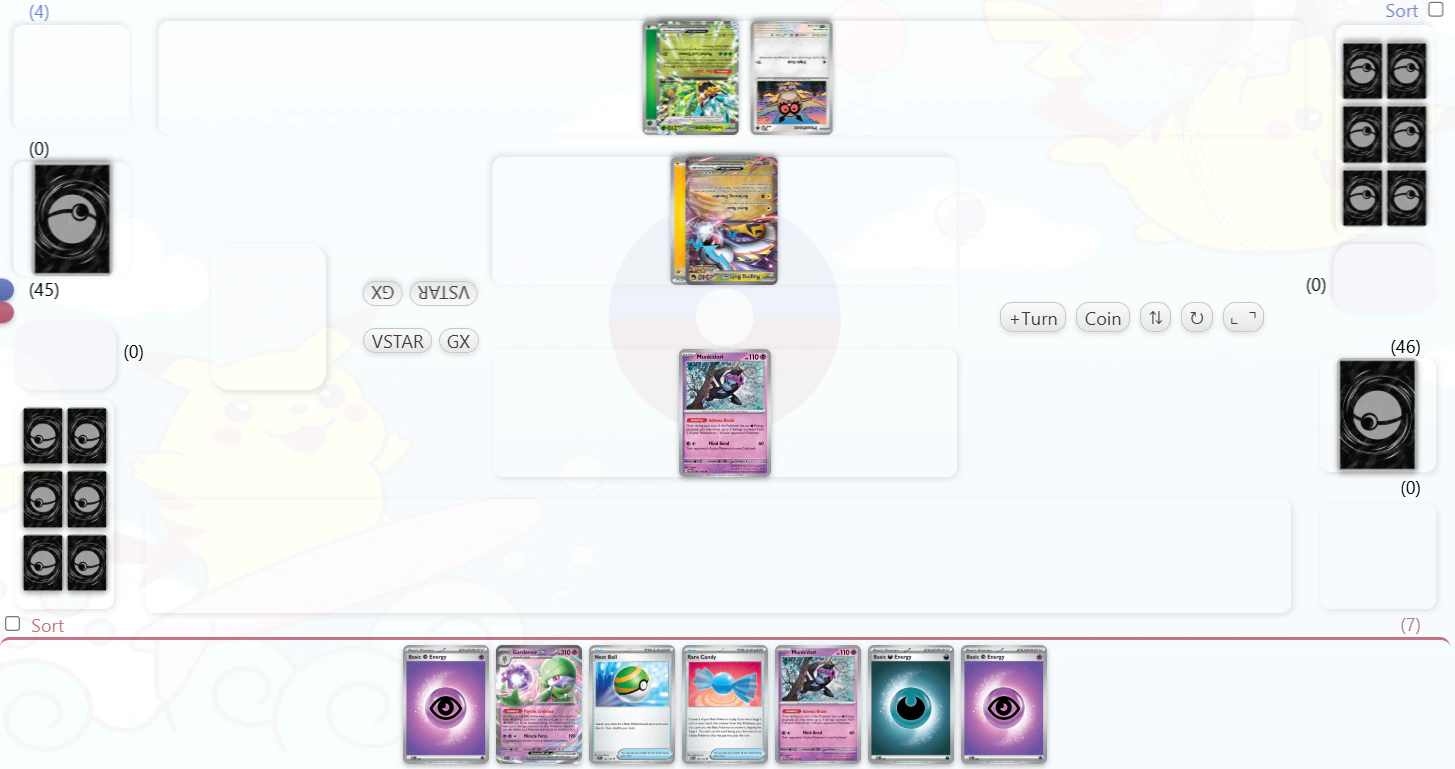
Knowing how to measure the "strength" of your opening hand, being fair when analyzing the conditions you were given, is an important trait when dealing with bad starts, especially in formats like the last one, where comebacks were common and baked into much of the decks' fundamentals. Countless are the times I see players complaining about perfectly playable hands that just fell short of what would be considered the ideal turn for the chosen strategy, focusing their attention on that and making bad decisions as a result, putting themselves in increasingly unfavorable positions with every action they take.
Operating with everything your deck has to offer is very easy, it's what's expected of any competent player. Being able to handle bad starts and atypical situations, trying to squeeze the most out of each of the few choices you were offered, is one of the things that sets great players apart.
Every second counts
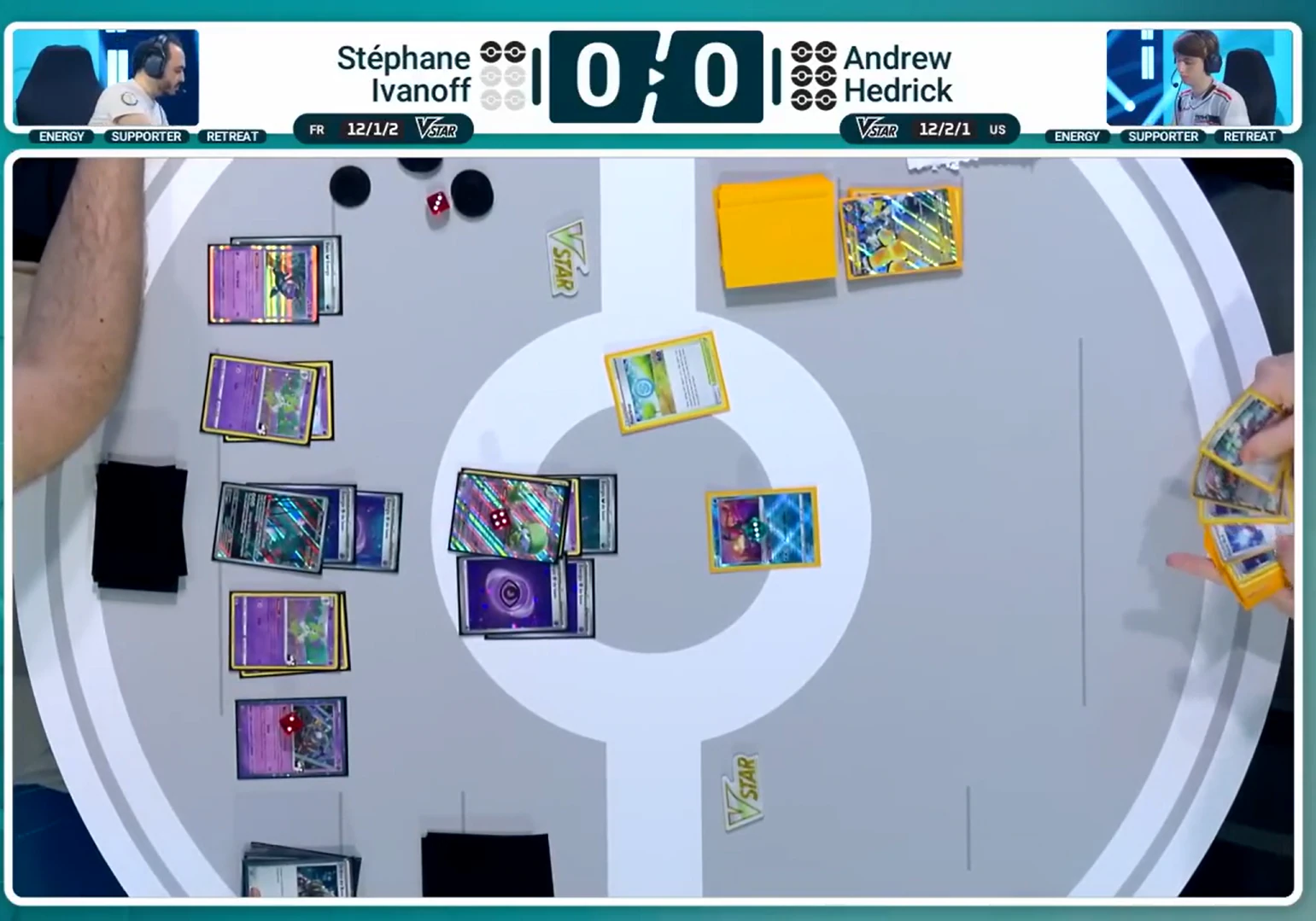
Another topic that comes up constantly and is a source of post-round dissatisfaction is time. Indeed, 50 minutes often aren't enough to complete 3 games of Pokémon (even though that was never the intent, but that's a subject for another day). Gentlemen's agreements in which one of the parties concedes the win to the other in an incomplete third-game scenario where the tie helps neither of them, slowplay, rushing, and even agreements to give up the 3 games right off the bat and play a single game to decide the winner of a grindier match are some of the drawbacks tied to the official time control chosen for tournaments. In an ideal world, none of this should affect who comes out victorious in a game, and we'd all have unlimited time to think about each action and reach the rightful winner of every game. We know that in reality this doesn't come anywhere close to happening, and it's up to each person to try to operate the portion of the 50 minutes we're given with the utmost precision each scenario demands.
Knowing how to deal with the opponent's pace and understanding that we're not playing chess, where each player has their own time limit, is fundamental to reducing the damage caused by the clock. Ideally, each player should have around half of the offered time to carry out their in-game actions, but that's almost never possible. Strategies with different execution times, whether due to physical limitations (e.g. decks that use or , cards that aren't very practical to use in real life) or because they carry greater complexity (e.g. decks based on , which led to multiple very difficult and impactful decisions from the very first action of the game) and each person's rhythm when making decisions, whether intentional or not, are some of the obstacles to this ideal scenario of fairness. The two players will almost never have an equal split of time, but we don't need to, urgency is enough.
Azul Garcia Griego, the biggest Western competitive content creator and one of the giants in the game's history, has for some time been trying to promote the concept of urgency among Pokémon TCG players. There are scenarios where it's pointless for the player to search for the most optimized and correct play if they won't have enough time to finish the game and be rewarded for it. This is tied to several factors that would warrant an entire piece just for them, but the general idea Azul defends is that everyone should actively seek to finish their matches, especially in scenarios or matchups that favor you, maximizing your chances of winning the game and consequently the tournament.
The way I find easiest to understand this concept is by attaching numbers, even if imprecise from a mathematically rigorous standpoint: For the purpose of illustrating this idea, we're in a fictional favorable matchup, let's say 70-30 in our favor, in a 1-0 scenario with 20 minutes left on the clock. The game didn't flow our way, we fell far behind after opening with a hand well below average and we estimate we have a 10 to 15% chance of winning the game, a chance based on an check 2 turns from now, in which our opponent will need to draw 1 of their 2 remaining after an Iono to 2 cards. Many players would choose to stay in this game until the end, giving up precious 5 to 8 minutes for a chance to win the game once every ten tries, compromising the completion of a third game they'd have a 70% chance of winning (even more, knowing they'd make the informed decision to go first or second). The trade-off certainly isn't worth it, the player will win the match as a whole far more often by conceding the second game right away and putting themselves in a naturally favorable scenario just by restarting the match, even with a marginal chance of winning the previous game. Knowing how to gauge this kind of scenario the moment it happens, letting go of silly factors like "what if I brick in the third game", "my opponent might misplay" or "I haven't lost yet" is fundamental to lowering your tie rate. The opposite is also true. Flipping our scenario to a 30-70 matchup, it's essential that we stay in the game until it's finished, since even if our chance in a next game is slightly higher if we concede, the expected result is still a loss and any win percentage per minute used is crucial to maximize the chance of scoring in an unfavorable matchup.
The best documented practical example I have of this happening was by Daniel Magda at a European regional. He identified right away that with the opening hand he'd drawn, weighing his opponent's pace and the matchup he was in, he'd have a better chance of winning the match by scooping instantly, even holding a hand with reasonable chances to play and win the game, not letting his opponent complete even the first action with more than 20 minutes still on the clock and moving on to game 3.