
Admin note
Huge thanks for writing this, Fabricio! In Campinas, 70% of our team got sick (I told the whole story in my Regional report), so this article came at the perfect time, right before the Recife Regional.
Have you ever stopped to think that, at a Pokémon TCG tournament, your deck isn't the only thing that needs to be ready?
You can know your list by heart, know your lines, master the format and be ready for any matchup. But after hours of playing, making decisions and holding your focus, something else starts to weigh on you: your own body.
What you eat before, during and after your games, how much you hydrate, how you rest and even your physical conditioning all affect your energy and your ability to stay focused throughout a tournament.
Why do nutrition and conditioning matter in Pokémon TCG?
TCG (Trading Card Game) is, as the name says, a card game. But not just any card game: it demands reasoning, strategy, planning and reading complex situations. When it comes to decision-making, it has a lot in common with chess. So where do food and physical conditioning fit into the equation?
Chess grandmasters have been investing more and more in physical conditioning, nutrition and exercise. That focus comes down to three main factors:
Stress from long hours of play, which increases physical and mental fatigue;
Tournament length: like TCG events, chess tournaments run for many hours;
Absolute focus, which makes players ignore hunger, fatigue and sleep.
Eating smart and keeping good habits can go a long way for your focus and energy during long competitions.
On their own, these factors might not matter that much. But big Pokémon TCG events run for days, and each day takes hours to finish. The last Regional had 3 days and 14 rounds: about 9 hours on day one, 5 on day two, all with very few breaks. That's where knowing what to eat makes a difference: before, to start the day strong; during, to keep your level from the first round to the last; and after, to get ready for the next day or start easing your body back to normal.
And this isn't only for people playing to win. If you go to tournaments mostly for fun, you benefit too: beyond performance, taking care of your food and conditioning makes the whole event better and, above all, keeps you feeling good through all those hours.
We'll split the tips into three parts: before your games, during and after, getting ready for day 2. And here's the golden rule right away: never skip breakfast. Eat protein, fuel up without weighing yourself down.
Before the games: steady energy
The focus here is steady energy: fueling your body without overloading your digestion. That way you avoid discomfort and that sluggish feeling when your body sends blood to your gut instead of prioritizing your brain. You want a clear head to make the best decisions.
When: have your main meal 2 to 3 hours before your first match.
What to eat
Low or medium glycemic index carbs
E.g.: brown rice, whole wheat pasta or oats.
Why? Your brain uses a significant amount of glucose for energy. Complex carbs release that energy more gradually, which helps prevent rebound hypoglycemia, the classic sugar crash (everything going dark: dizziness and your thinking locking up in the middle of a long game).
Lean protein
E.g.: chicken breast, fresh white cheese or eggs.
Why? Protein provides essential amino acids and keeps you full, so hunger doesn't become a distraction during long games. Some amino acids, like tyrosine, play a part in producing dopamine and other neurotransmitters linked to focus and alertness.
What to avoid
Very greasy food, too much raw fiber (to avoid gut trouble), concentrated sweets, heavily seasoned or raw food, and anything of dubious or unknown origin. (Sushi, for those in the know, right?)
During the games: stay fueled and alert
Now the focus is staying fueled and alert: keeping a steady supply of energy and your hydration up, without discomfort, without overeating and without glucose spikes, which can make you sleepy mid-match.
Hydration
Drink water regularly, in small sips, according to your thirst and the environment. After long stretches of play, alternate with a sports drink or coconut water to help replace fluids and electrolytes, especially when it's hot or you're sweating a lot.
Why? Dehydration can affect physical performance and, in some situations, attention and short-term memory. That's the memory holding your prize mapping, the abilities you've already used or haven't used yet, and what you've already done this turn. When it slips, your chance of mistakes and misplays goes up. Sports drinks replace the sodium and potassium you lose in sweat.
Quick snacks (every 1.5 to 2 hours, if you can)
Banana or apple slices
Why? They're practical carb sources that give you energy during a long tournament without sitting heavy in your stomach. Bananas are also rich in potassium, vitamin B6 and tryptophan. B6 and tryptophan play a part in producing serotonin (play happy), and potassium helps lower the chance of cramps.
Nuts and dried fruit mix
E.g.: nuts, dates, raisins.
Why? Nuts provide unsaturated fats, protein and minerals like magnesium, which may help keep anxiety and shaky hands in check (for when you're playing that win-and-in, that top cut game that decides everything, or heading to the stream table).
Dried fruit, on the other hand, gives you a quick, natural hit of carbs for moments of extreme exhaustion (like when you have to think forever to get past that Crustle).
1 or 2 squares of dark chocolate
Why? Cocoa is rich in flavonoids, including flavanols, which are being studied for their possible effects on circulation and cognition. Chocolate also contains theobromine and, depending on the cocoa content, small amounts of caffeine.
After day 1: getting ready for day 2
With the focus on recovery and sleep, what you do after the games shapes how your mind and body wake up the next day. After so many hours of focus and stress, what brings you back is eating well, hydrating and, above all, sleeping well.
Recovery dinner (within 2 hours of your last game)
A nutritious, easy-to-digest meal, ideally with protein, carbs, sources of magnesium and healthy fats, plus omega-3, which may help lower cortisol (the stress hormone).
Grilled fish
Why? It's rich in protein and, depending on the species, in omega-3 fatty acids, which have many functions in the body and play an important role in the structure of cell membranes.
Mashed sweet potato or regular potato
Why? They're easy-to-eat carb sources that replace the energy you burned during the day, and they also help the tryptophan from the fish reach your brain.
Late-night snack before bed
If you get hungry before bed, go for chamomile tea with a handful of walnuts and a kiwi.
Chamomile tea
Why? Chamomile is traditionally used as a relaxing drink: it calms the nervous system and helps you ease into sleep. (Forget that play that cost you a game. Head up, move on.)
Walnuts and kiwi
Why? They're nutritious foods that can be part of a balanced diet. Some studies link kiwi to better sleep quality, and walnuts provide unsaturated fats, minerals and other nutrients.
Important: avoid screens and heavy game analysis on your computer right before bed. Resting your brain is one of the biggest factors in showing up to day 2 with your attention, memory and decision-making sharp.
Didn't make day two? What do I eat?
Whatever you want! Go explore the city, try the local food or stuff yourself with whatever makes you happy, with the people who make you happy. Now it's time to take care of your head, without beating yourself up.
Just a reminder: everything here is tips and examples. Good nutrition, hydration, sleep and conditioning help your well-being and performance at long events, but they don't replace practice, game knowledge or competitive preparation. Everyone's needs are different, too.
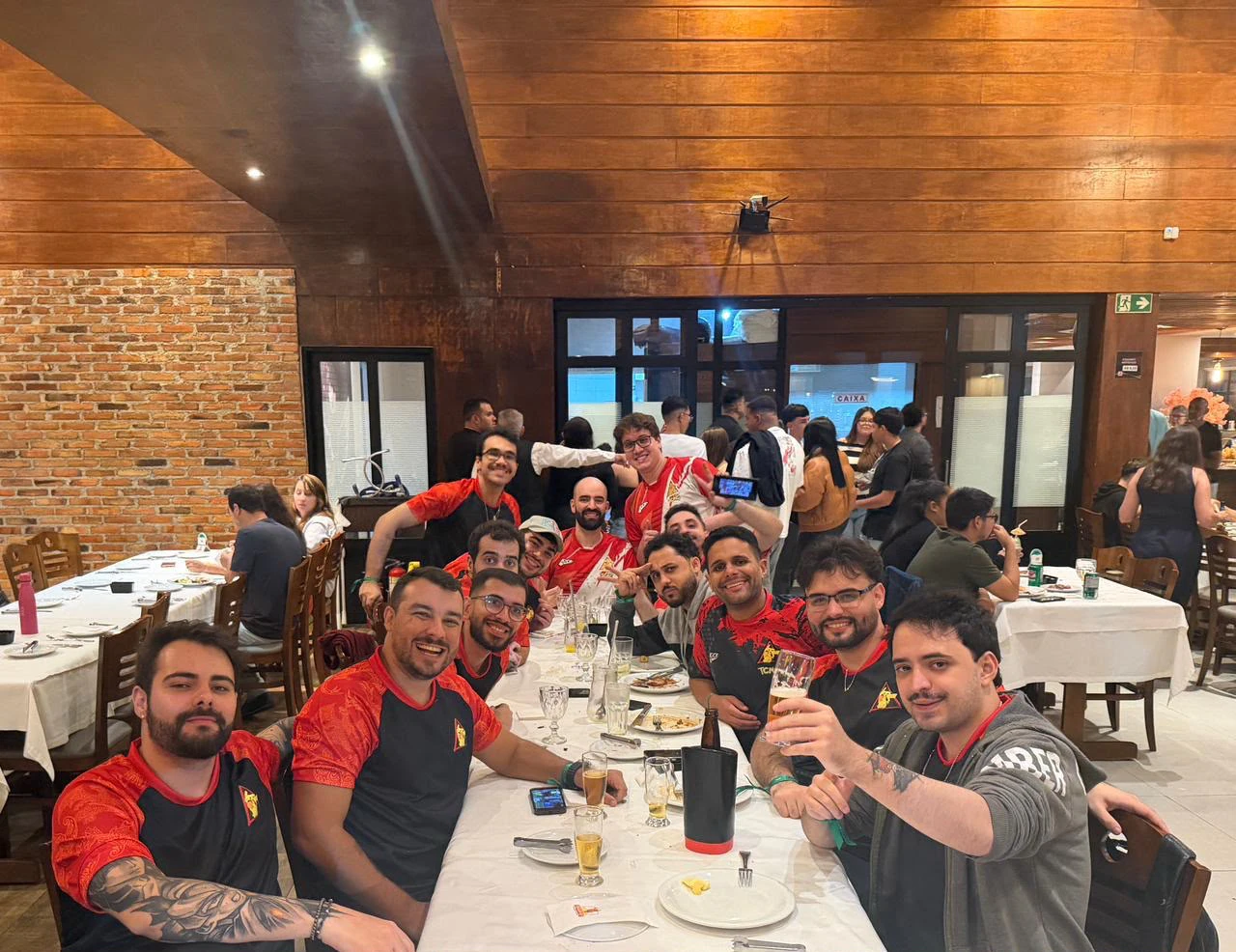
Hope you enjoyed the read, and may all your tournaments be great ones!